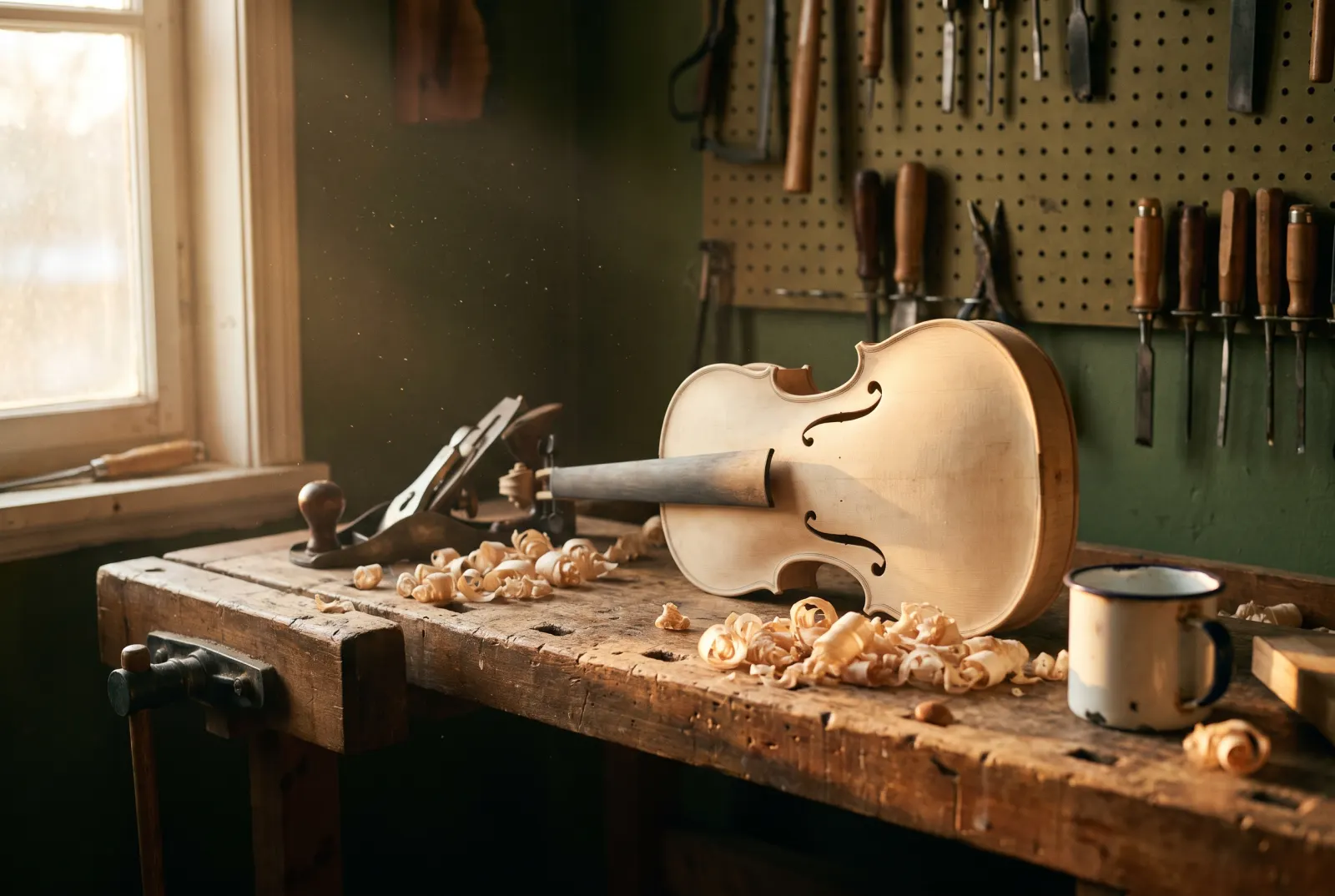
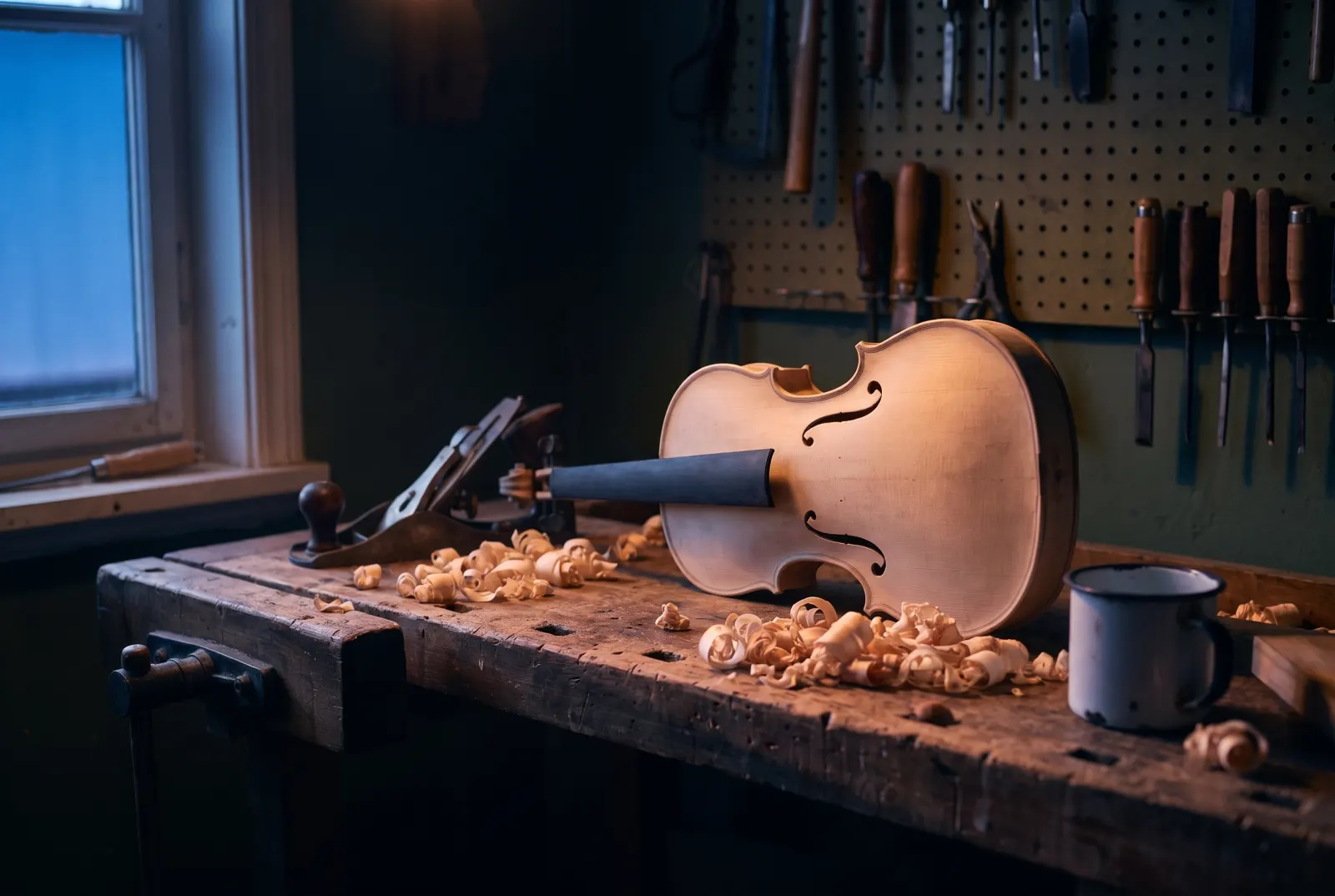
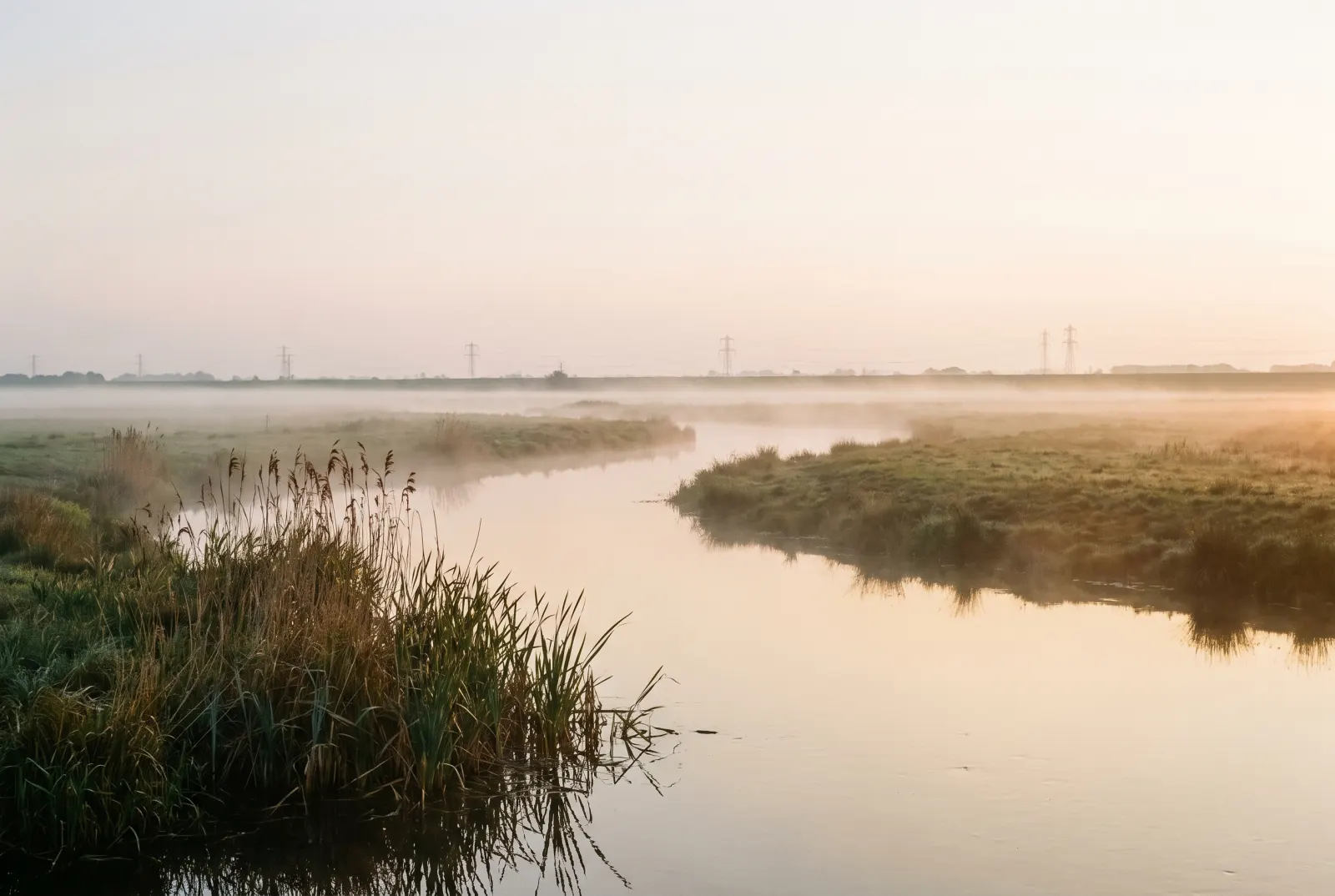
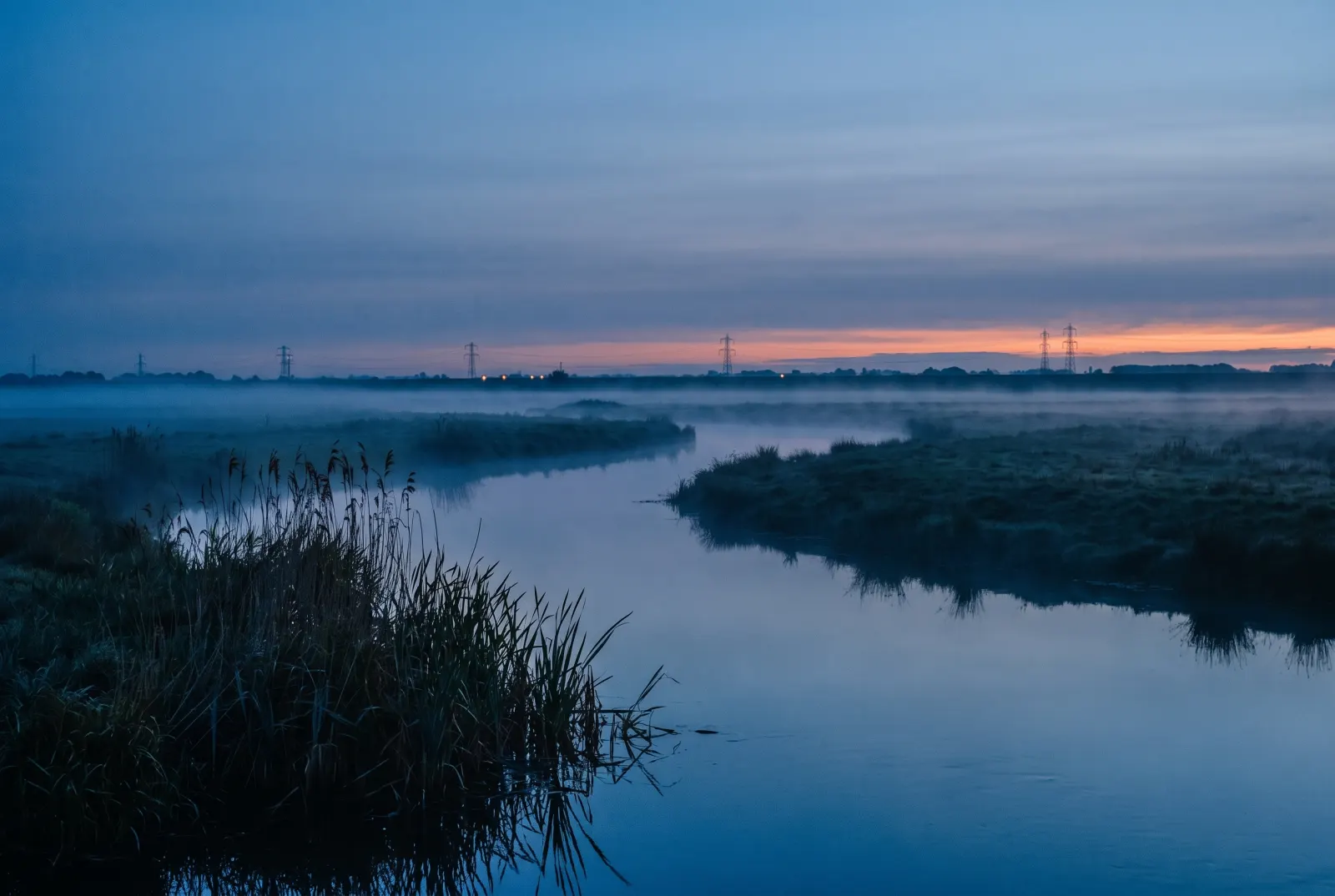
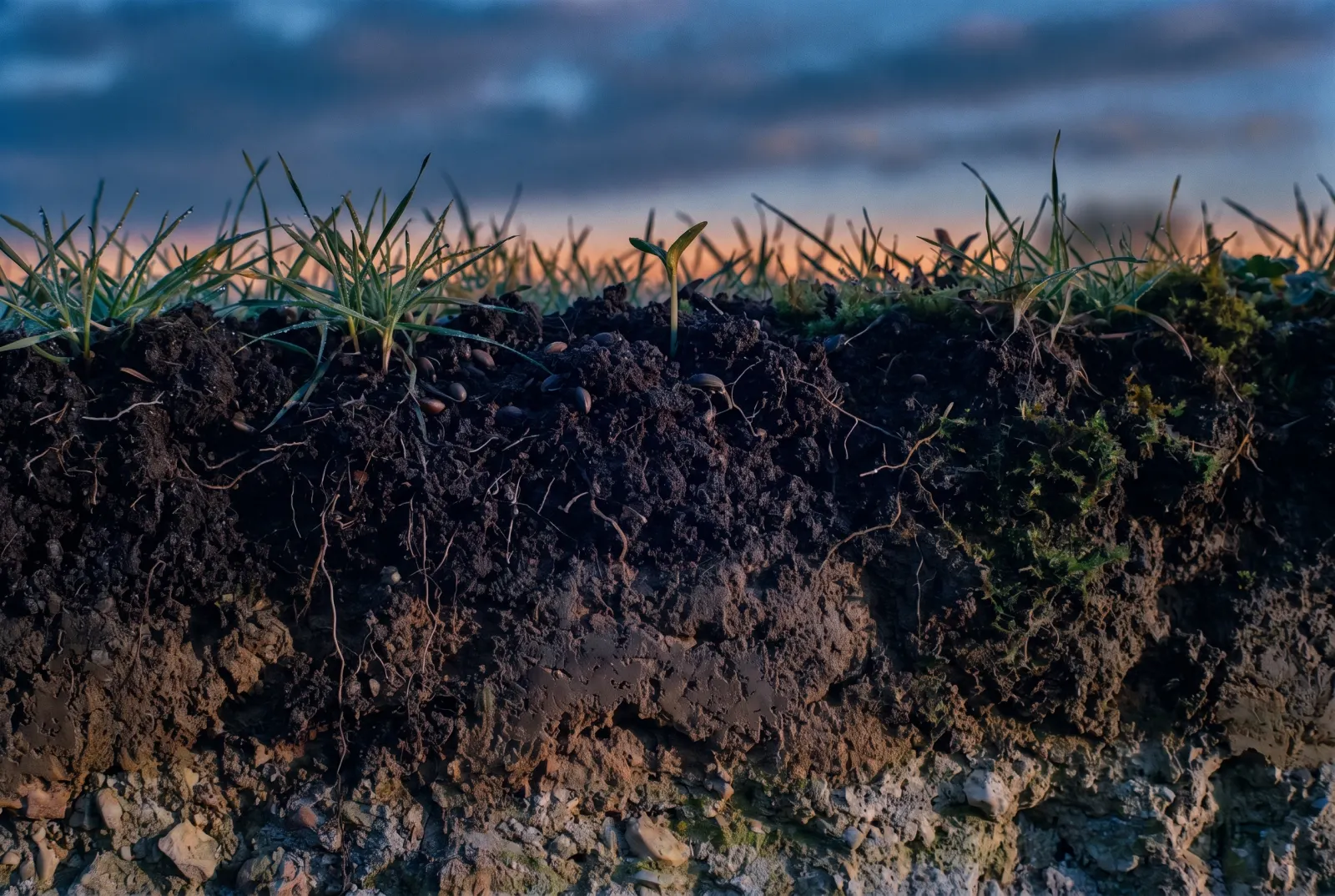
The risks and the possibilities of AI, side by side, with every number traced to its source.Move across the picture and the light follows.
Most plants require both light and dark to meet their furthest growth potential.
So it is with us.
Some people look at AI and feel dread. Some feel hope. Most of us feel both on the same day. Here the evidence for each sits next to the other, so you can carry them together.
I use AI in my work and in my art. I also see the anger and the fear around it, and how it has split people who make things into camps. That division has weighed on me.
I do not see AI as good or bad in itself. There are serious concerns, and there is also real good already growing. I wanted one place where the two could sit together, with every number checked against its source.
Think of a tree cut across. Each ring is a year the tree lived through, good and hard alike. These nine rings are the places AI reaches into a human life.
Every area holds a wonder and a worry. Each one has many more aspects than the few shown here.
Every figure on this site names its source and its kind. A survey tells us what people believe. It cannot tell us how likely an event is. So each number carries one of five labels:
● Measuredcounted or experimental data
◐ Surveywhat people report or believe
◌ Estimatea judgment or model, often a company's own
▷ Forecasta projection of the future
❝ Reporteda company's, agency's or journalist's own account
Press a small number like this one to see where a figure comes from.
the median test gains with a well-designed AI tutor, against an active-learning class, in a randomized trial of 194 Harvard physics students. ● Measured
Worry
learning and skill
+48%, then 17% worse
Students using plain GPT-4 for math practice scored 48% better in practice, then 17% worse than classmates on an exam without AI. A tutor with guardrails largely avoided the harm. ● Measured
higher on an automated empathy measure: peer supporters' replies written with AI feedback. It was 38.9% for those who said support was hard. ● Measured
Worry
relationships and mental health
72%
of US teens have tried an AI companion, and 52% use one at least a few times a month. ◐ Survey
cancers found by AI-supported mammography (6.4 vs 5.0 per 1,000) in a randomized trial of 105,934 women, with no rise in false positives and 44% less reading work. ● Measured
Worry
control, power, meaning
5%
is AI researchers' median guess at the chance that AI causes human extinction or severe disempowerment (2023, 15% response rate). ◐ Survey
You can be worried about where this is going and still be moved by what it can do. Carrying both is harder than picking a side... and it leaves more room for other people.
A Shared Ethic for AI in art and music
Eight commitments that an artist who refuses AI and an artist who uses it could both sign.
My own everyday guidelines, the Shared Ethic for art and music, and what thirteen fields now ask of their own people, from medicine and law to faith traditions. Underneath the differences runs a common ground: a person stays accountable, checks the output, tells the people affected and protects their privacy.
A sham-controlled study in a small village of AI agents asks whether a computed inner "heartbeat" changes what they do, beyond the true facts it carries.
Starts 9 November 2026. Results, and what they might mean, will be added in February 2027.
Can a machine have something that works like a feeling? A sham-controlled study in a small village of AI agents begins on 9 November 2026. The plan, the reasoning and the ethics are published now. Results are due in February 2027.
A new Guidelines section brings together my everyday guidelines, the Shared Ethic for art and music, and a table of the common ground that runs through every profession's rules.
New pages on how medicine, mental health, law, journalism, education, research, the arts, business, government, technology builders, children's services, faith traditions and the environmental field are setting rules for AI, each with its sources and questions to ask yourself.
Department of Culture, Communications and Sport (Ireland). Basic Income for the Arts: two-year report, and Alma Economics cost-benefit analysis. gov.ie, Sep 2025.
Diel A, et al. Human performance in detecting deepfakes: a systematic review and meta-analysis of 56 papers. Comput Hum Behav Rep 16:100538, 2024. doi:10.1016/j.chbr.2024.100538
Hernström V, et al. Screening performance and characteristics of breast cancer detected in the MASAI trial. Lancet Digital Health 7(3):e175-e183, 2025. doi:10.1016/S2589-7500(24)00267-X